
Daksha means skilled. A fitting name for an exhibition that celebrates India’s rich craft legacy and the artisans who keep them alive. We recently spent an immersive evening at the thoughtfully curated exhibition showcasing contemporary interpretations of indigenous crafts from Eastern India, namely, Odisha, Jharkhand and West Bengal. The exhibition features beautiful works in Sabai grass, Dhokra, Bamboo, Kantha embroidery, Patachitra, Terracotta, Gambhira Wooden Masks, Chhau Masks and more, all with a difference.
“India lives in her villages, and the soul of India lives in her crafts.”
– Mahatma Gandhi
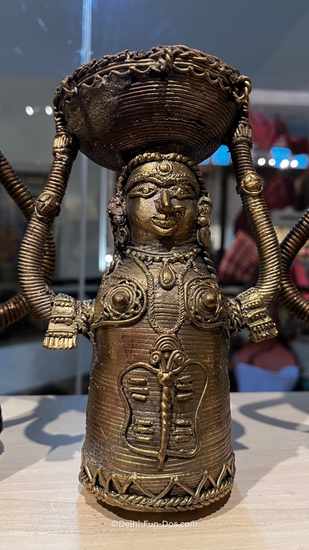
We walked through the exhibition to live this quote. Every object on display carried generations of skill, creativity and cultural memory while speaking a contemporary design language. The new designs were somewhat quirky and fun but definitely not frivolous. There was no disrespect to the traditional styles, and the innovations somewhat took that journey forward.
Contents
Daksha: Crafting Voices
Daksha was inaugurated by the celebrated artist Padma Bhushan Rajeev Sethi, Founder Chairman of the Asian Heritage Foundation. Organised by the Office of the Development Commissioner (Handicrafts), Ministry of Textiles, in collaboration with Banglanatak dot com and Axis Bank Foundation, the exhibition focuses on how traditional crafts can find new relevance in contemporary spaces while supporting artisan communities.
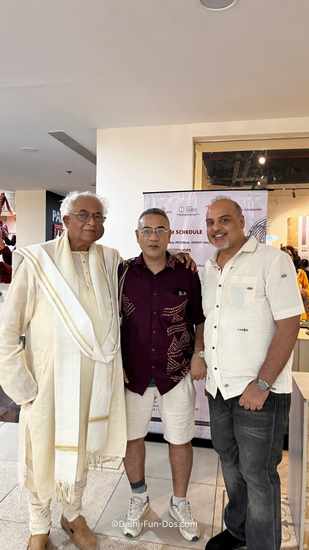
One of the highlights of the inaugural evening was the round table discussion on Building Creative Ecosystems through Craft, Culture and Collaboration. The panel featured scenographer and curator Swarup Dutta, who spoke about design and storytelling through craft; Ritu Sethi, Chairperson of the Craft Revival Trust, who discussed the importance of sustaining India’s craft heritage and artisan livelihoods; and Dr Mariann Erdő, Director of the Liszt Institute, Hungarian Cultural Centre Delhi, who shared perspectives on cultural exchange and international collaboration.
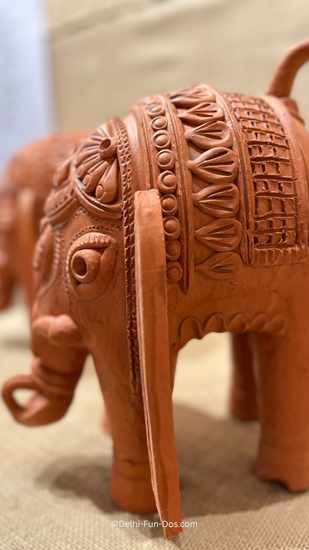
India’s craft traditions continue to inspire fresh ideas for everyday spaces. What we loved was seeing how traditional skills were applied to contemporary living. There were asymmetric jars and pots, elegant lamps, woven table mats, wall art and decorative pieces that would sit comfortably in modern homes. Adding to the atmosphere was a soulful Baul music performance that beautifully connected the conversations around living traditions with the spirit of folk culture.
Also Read: Top Places to buy Indian Handicraft in Delhi
Craft talks in Delhi over the coming days
If you are looking for a crafts exhibition in Delhi, handmade home décor ideas, artisan made products, contemporary Indian design or a cultural outing with a strong connection to heritage, head to Daksha. But Daksha is much more than a mere crafts B2B event. The exhibition offers much more than beautiful objects. A series of talks, film screenings and workshops are taking place throughout the week, making Daksha one of the most interesting cultural events in Delhi this month.
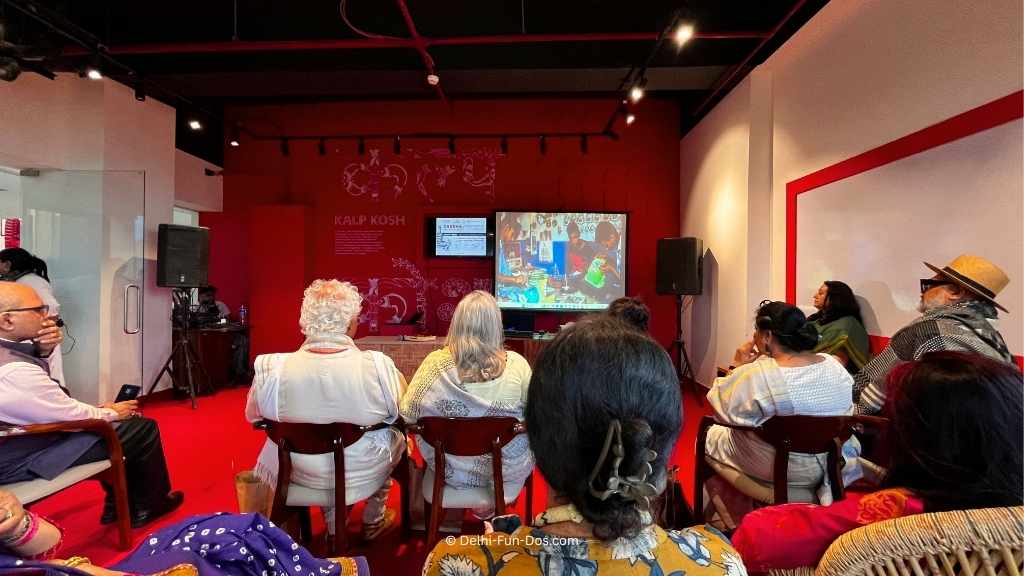
The programme explores a wide range of themes including heritage storytelling, gaming, AI and culture, responsible tourism, sustainable design, women led creative enterprises and funding for craft ecosystems. Visitors can attend discussions featuring designers, scholars, entrepreneurs, museum professionals and cultural practitioners who are shaping the future of India’s creative economy.
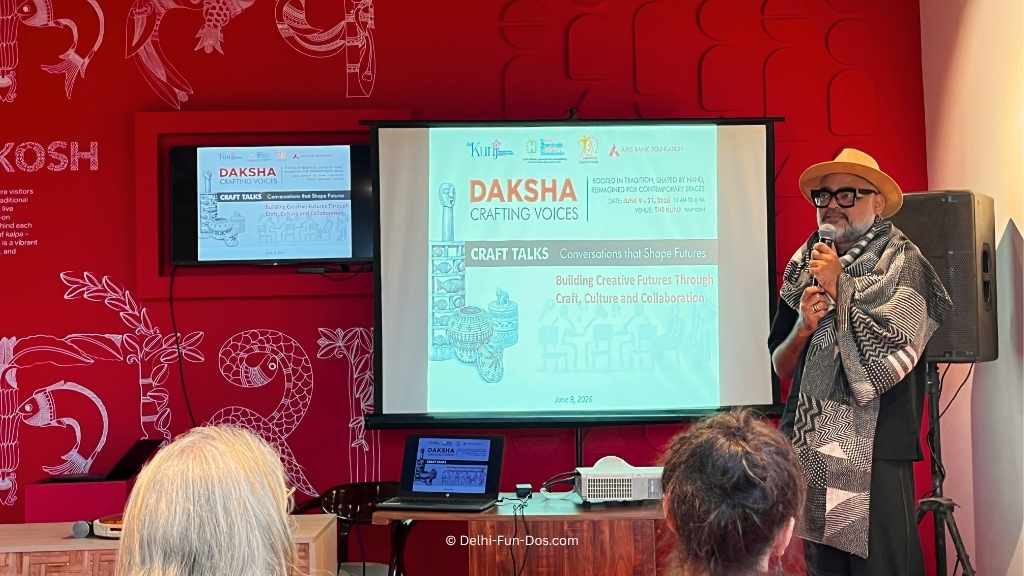
A session that particularly caught our attention is The Crafted Space: Heritage, Utility and Sustainability, which looks at how traditional craft knowledge can inspire contemporary interiors and sustainable living. There are also hands on workshops on Sabai grass, Kantha embroidery and Kashi grass crafts where visitors can learn directly from master artisans. For anyone interested in culture, design, travel, crafts and heritage, these sessions add another layer to the exhibition experience.
A bit about The Kunj, Delhi
The Kunj is a recently opened shopping mall in Delhi that brings forth India’s handlooms, handicrafts and artisan traditions. Named after Vasant Kunj area of Delhi where it is located, it is an agglomeration of shops by handloom and handicraft establishments from across India. We had thought that we had seen it all in this field but we are happy to stand corrected. The unique items in some of these shops were very different from the fare that is available at the average crafts market or a crafts fair. You must visit the traditional toy shop, the shops selling rich textiles made from cotton, silk or wool and the rugs that are like paintings and one can never think of stepping on them. Such treasures are high-end indeed but the innovative as well as superbly crafted objects are somewhat like future heirlooms and worth investing.
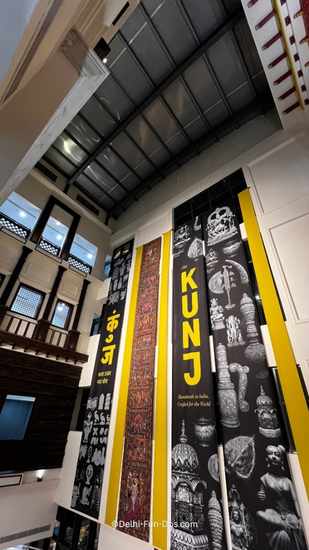
The Kunj routinely hosts exhibitions, workshops and cultural events, giving visitors an opportunity to discover beautiful crafts, meet artisans and learn about India’s rich creative heritage. It also has a canteen run by Mahabelly at the extremely pictesque foyer with free flowing décor and installations. This is the kind of place where you can spend a leisurely afternoon browsing the exhibition, attending a talk and meeting people who share an interest in art, culture and design.
How to reach The Kunj, Delhi
The Kunj is located in line with the popular chain of malls on Nelson Mandela Marg, Vasant Kunj.
If you are taking the metro: The nearest metro station is Vasant Vihar on the Magenta Line. From there, an auto rickshaw or cab can take you to the venue within a few minutes.
If you are taking a Cab: Search for “The Kunj Vasant Kunj” on Google Maps. The venue is easily accessible from Saket, Hauz Khas, Vasant Vihar and Gurgaon.
If you are coming in your Car: Some parking facilities are available in the area.
Why you should visit Daksha at The Kunj
Daksha: Crafting Voices offers an engaging glimpse into India’s living craft traditions. Truth be told, we are sceptical about designer intervention in traditional weaves and crafts. Yet, as we watched designer Swarup Datta’s presentation, we saw the magic in such collaborations. Datta may have started the process but then artisans would create their own modern takes without any “expert” drawing it out for them. We felt that Daksha celebrates artisans who continue to adapt traditional knowledge for contemporary audiences and contemporary spaces. The narrative of continuity is our take home along with some bits of very reasonably priced baskets and mats that we could not resist buying.
Date and time
Daksha: Crafting Voices is on view at The Kunj, Vasant Kunj, New Delhi, until 21 June 2026, from 11 am to 8 pm.
If you enjoy art, design, culture, travel or discovering India’s rich craft heritage, this exhibition deserves a place on your Delhi calendar. It is a wonderful opportunity to see how heritage crafts continue to evolve while remaining deeply connected to the communities that create them.



Traveling to India is on my top 3 list, so looking for authentic ideas and places to see. This exhibit looks very interesting. Would love to visit.
You must tick that off 🙂
Indian art and craft are stunning. Thanks for always sharing this info. I hope I can attend one of these exhibitions soon.
Let us know if you do
What a wonderful showcase of India's rich artistic heritage and the talented artisans who keep these traditions alive. I love seeing how traditional craftsmanship can be thoughtfully adapted for modern homes while still honoring its cultural roots.
India is a powerhouse in this field
How amazing are these contemporary Indian crafts! My sister who lives in Delhi would be excited to visit this place. Sharing the link with her.
Sounds like a great time. I love shopping and experiencing different cultures; the asymmetric jars and elegant lamps would definitely interest me. ,
Between Daksha and The Kunj, I could spend days and long hours enjoying all that Delhi has to offer in the arts and craft. I love seeing creative expressions and attend similar events here.
Sounds like a wonderful celebration of India's craft heritage. Traditional artistry is being thoughtfully adapted for modern spaces while honoring the artisans behind it.
I actually liked that you admitted being a bit sceptical about designer intervention at first. That made your reaction feel more genuine, especially when you talked about artisans taking the idea and making it their own. That kind of collaboration feels a lot more meaningful than just turning craft into a trend.
This looks like such a wonderful event! If we lived nearby, we would definitely make time to visit.
Honestly, I’d love to see more events like this. They’re a great way to support local artisans and keep India's rich craft heritage alive. It's always nice to see traditional craftsmanship being celebrated and shared with more people.
An interesting look at heritage crafts and design innovation. Appreciate you sharing this inspiring story.