
Wildlife tourism in India is often viewed through the lens of tiger sightings, luxury safaris, and national parks. However, Wildlife Conclave 2026, held on 29 May 2026 at the picturesque Jehan Numa Retreat in Bhopal, offered a much broader perspective on what the future of wildlife tourism can and should look like.
Contents
Wildlife Conclave 2026
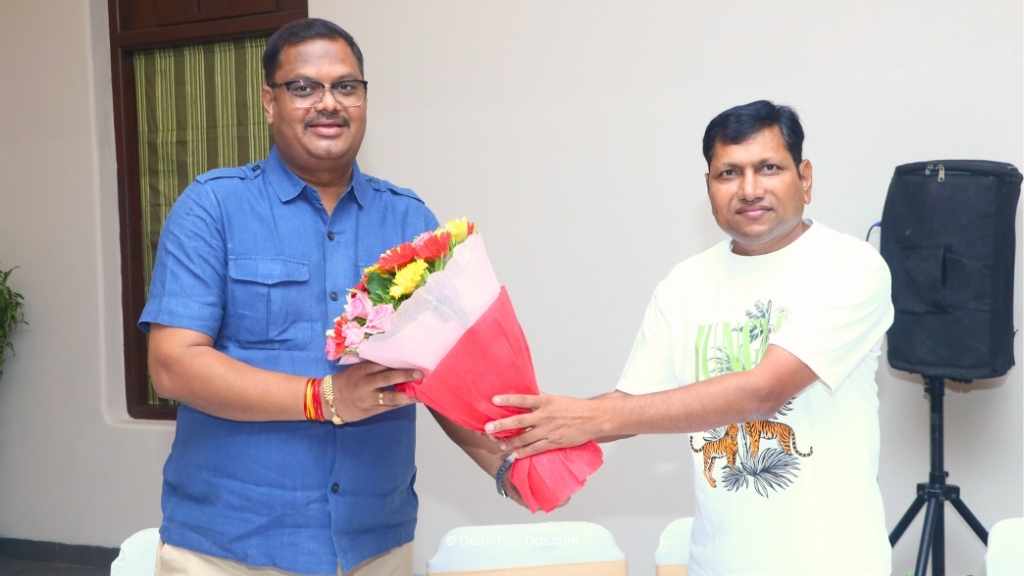
Inaugurated by Mahendra Pratap Singh, Chairman of IATO, the conclave brought together an eclectic mix of wildlife tourism stakeholders, including hoteliers, travel companies, sustainability experts, entrepreneurs, conservation advocates, ethnobotanists, and content creators. Guiding the discussions throughout the day was award-winning journalist Anil Mulchandani, whose engaging moderation helped connect diverse viewpoints into a larger conversation about responsible and sustainable tourism.
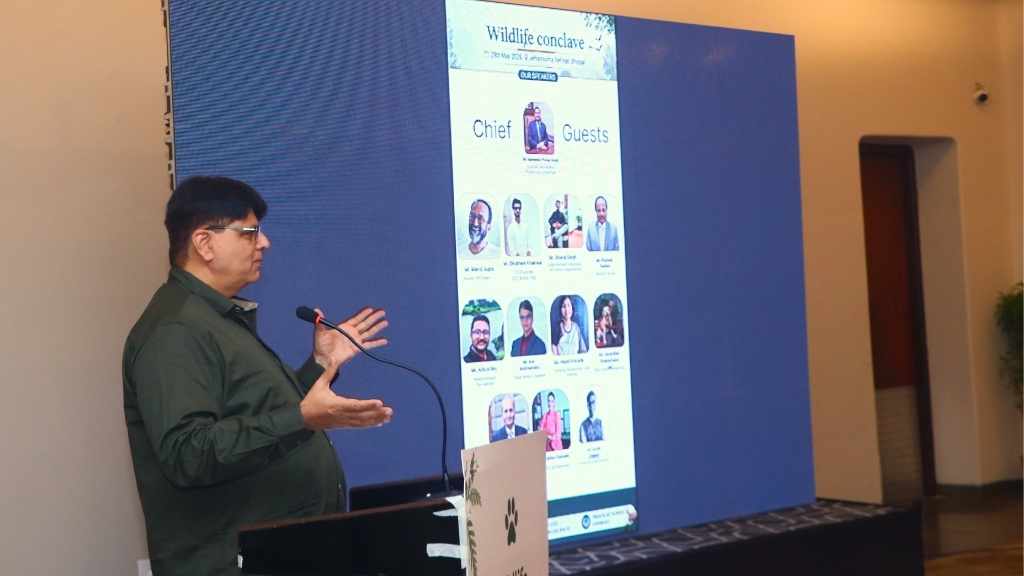
Rather than focusing solely on wildlife safaris, the conclave explored how conservation, local livelihoods, hospitality, accessibility, storytelling, and community participation must work together to ensure the long-term success of India’s wildlife destinations.
Wildlife Tourism Beyond The Big Cats
One of the strongest messages emerging from the conclave was the need to look beyond India’s most famous wildlife stars. While tiger reserves remain the backbone of wildlife tourism, speakers encouraged travellers to appreciate entire ecosystems rather than chasing a single sighting. India’s forests are home to remarkable birdlife, reptiles, butterflies, wetlands, grasslands, and indigenous cultures that often remain overlooked.
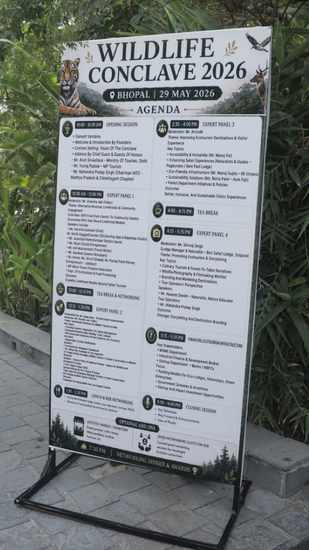
The discussions highlighted how meaningful wildlife travel can include nature walks, birding experiences, cultural interactions, local food traditions, and community-led tourism initiatives that deepen travellers’ understanding of a destination.
Also read: The Fascinating Bhimbetka In Madhya Pradesh
Sustainable Wildlife Resorts and Responsible Hospitality
As wildlife tourism grows, so does the responsibility of hotels, resorts, and homestays operating near protected areas. This theme was explored by Pradeep Dadlani, Director, Sycom, who spoke about sustainability practices within the hospitality sector. His observations focused on how hotels can reduce their environmental footprint through responsible resource management, waste reduction initiatives, energy efficiency, and stronger engagement with local communities.
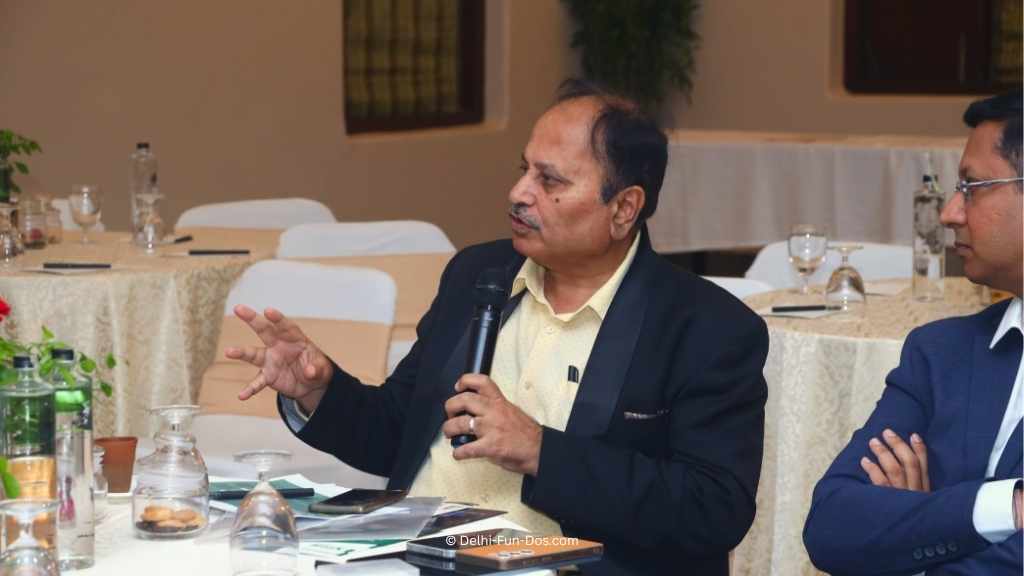
The conclave also saw participation from several hospitality brands and tourism operators working in wildlife destinations across India, including jüSTa Hotels & Resorts, 98 Stripes Tadoba, Dang Forest Retreat, Soar Excursions, and of course, the host property, Jehan Numa Retreat. Collectively, these organisations reflected the growing shift towards tourism models that balance guest comfort with environmental responsibility.
Forest-to-Table Experiences: Telling Stories Through Food
Food emerged as an unexpected yet fascinating theme during the conclave. Chef Harshita Kakwani shared insights from her forest-to-table experiences, highlighting how local ingredients, traditional recipes, and regional culinary knowledge can become powerful storytelling tools.
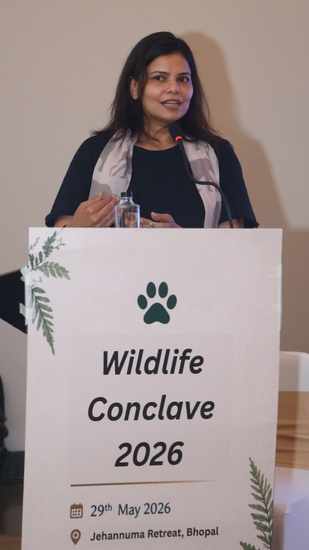
Her session demonstrated that wildlife tourism does not begin and end with a safari vehicle. The landscapes we visit also influence what people grow, cook, forage, and eat. Understanding these food traditions allows travellers to connect more deeply with local communities and the ecosystems that sustain them.
Also read: A Rustic Food Experience Of Patalkot Cuisine
Bamboo, Local Livelihoods and Sustainable Enterprises
Conservation is most successful when local communities benefit from it. Social entrepreneur Niyati spoke about sustainable bamboo products and community-driven livelihood initiatives that create economic opportunities while promoting environmentally responsible alternatives.
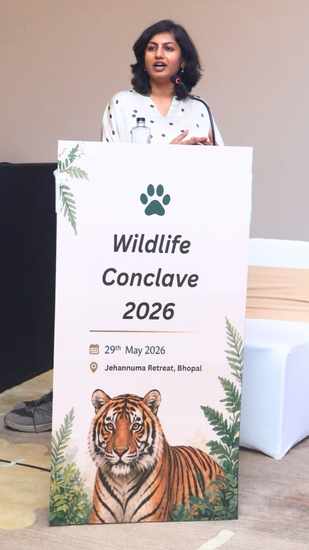
The discussion highlighted how handicrafts, bamboo-based products, and local enterprises can generate income for communities living near forests while reducing pressure on natural resources.
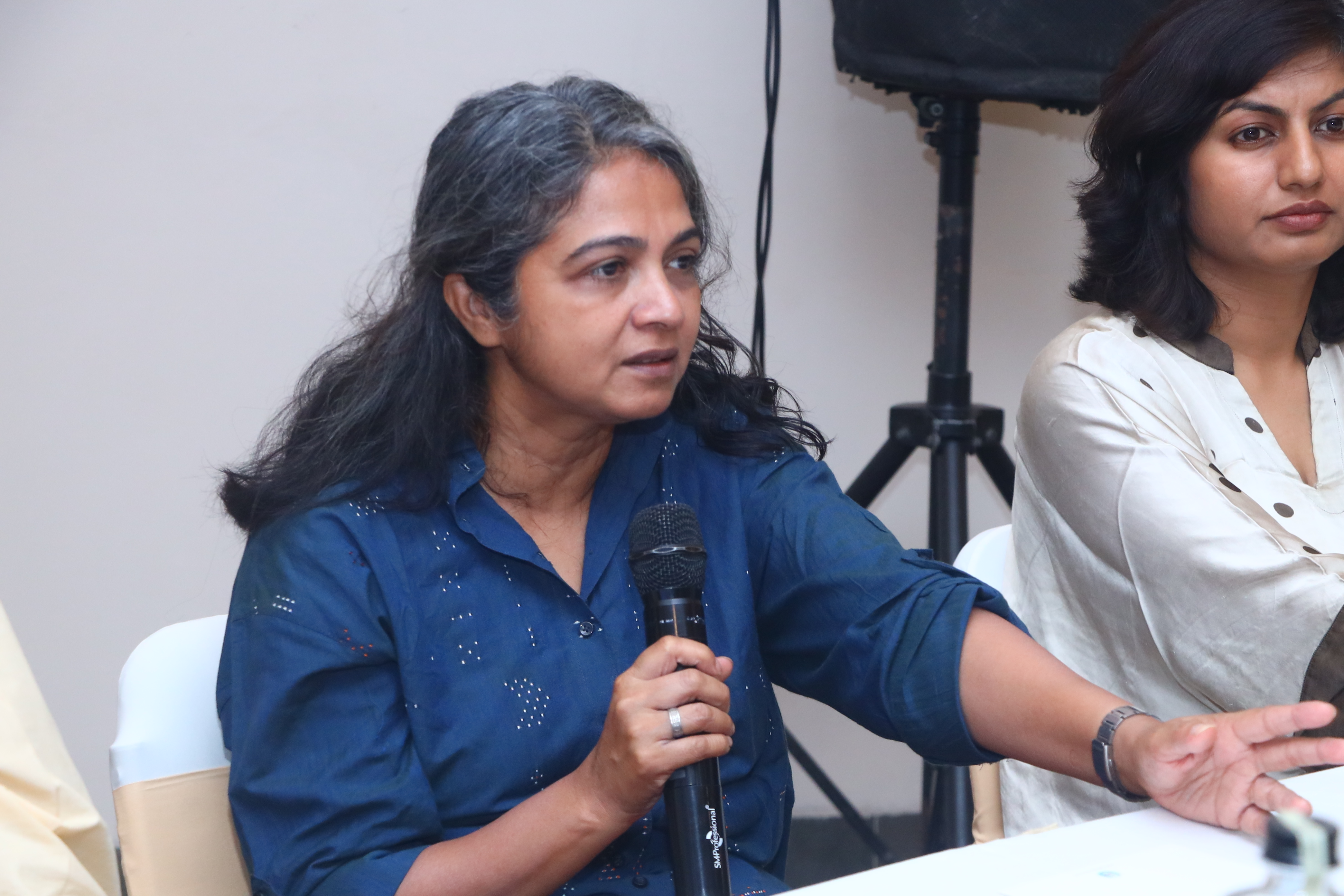
Closely linked to this theme was the work being done by Malaya Bandhavgarh, which promotes handicraft trails, art experiences, and road journeys across different states, helping travellers engage directly with local artisans and cultural traditions. These examples demonstrated that wildlife tourism can support much more than accommodation providers and safari operators; it can become a catalyst for entire local economies.
Also read: Khajuraho beyond Khajuraho Temples
Accessibility and Inclusive Tourism in Wildlife Destinations
An important and often overlooked aspect of tourism was addressed by Manoj Pai, who spoke about accessibility and inclusivity in travel. As India’s tourism industry evolves, wildlife destinations must become more welcoming to travellers with diverse needs and abilities. Inclusive infrastructure, accessible experiences, and thoughtful planning can help ensure that nature remains available to everyone.
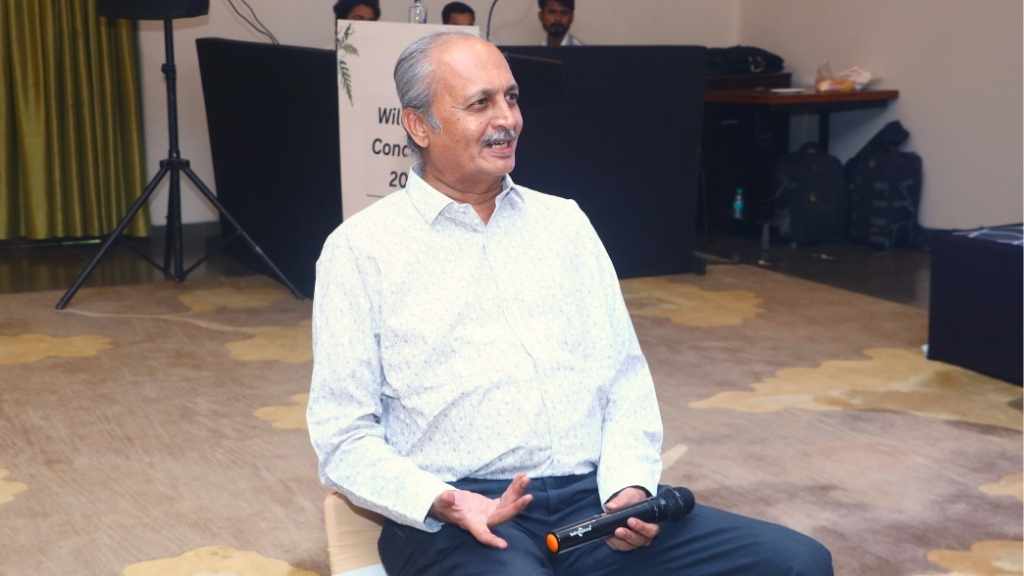
His session served as a reminder that sustainable tourism is not only about protecting the environment but also about creating equitable and accessible experiences for all visitors.
The Importance of Storytelling and Digital Media
As DelhiFundos, we attended the conclave primarily to cover the event. Much to our surprise, we were also invited to share our journey and speak about how blogs, videos, social media content, and destination storytelling can help hotels and tourism businesses connect with travellers in meaningful ways.
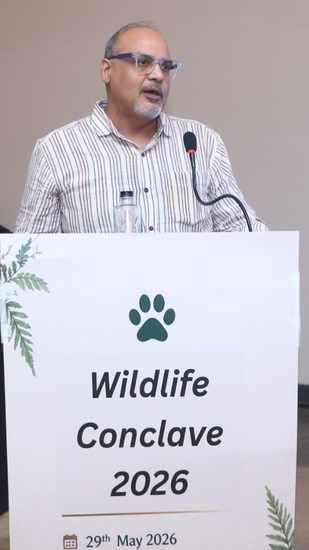
It was a heartwarming moment and made us feel like participants rather than simply observers. We are grateful to SAN Resorts and Events for extending this opportunity.
Also read: Khajuraho Temples – A Complete Travel Guide and Pro Tips
Jehan Numa Retreat: The Perfect Venue for Wildlife Conclave 2026
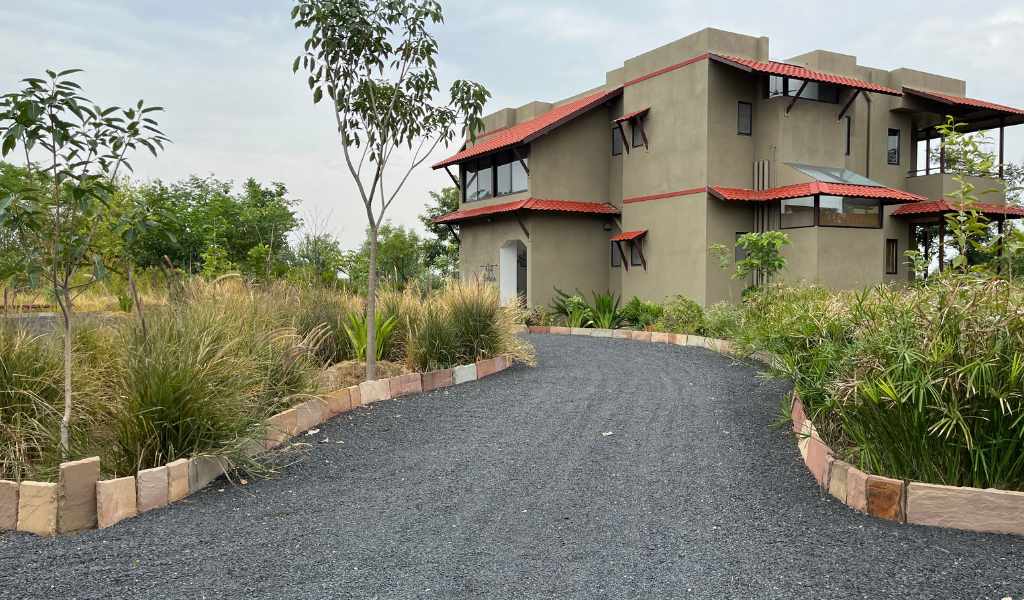
A special mention must go to Jehan Numa Retreat, which proved to be the perfect venue for the conclave. Surrounded by greenery and designed to blend comfort with nature, the property created an ideal setting for discussions centred around wildlife and sustainability. Beyond the conference sessions, conversations continued during tea breaks, lunch, and the networking dinner, allowing participants to exchange ideas and forge new collaborations.
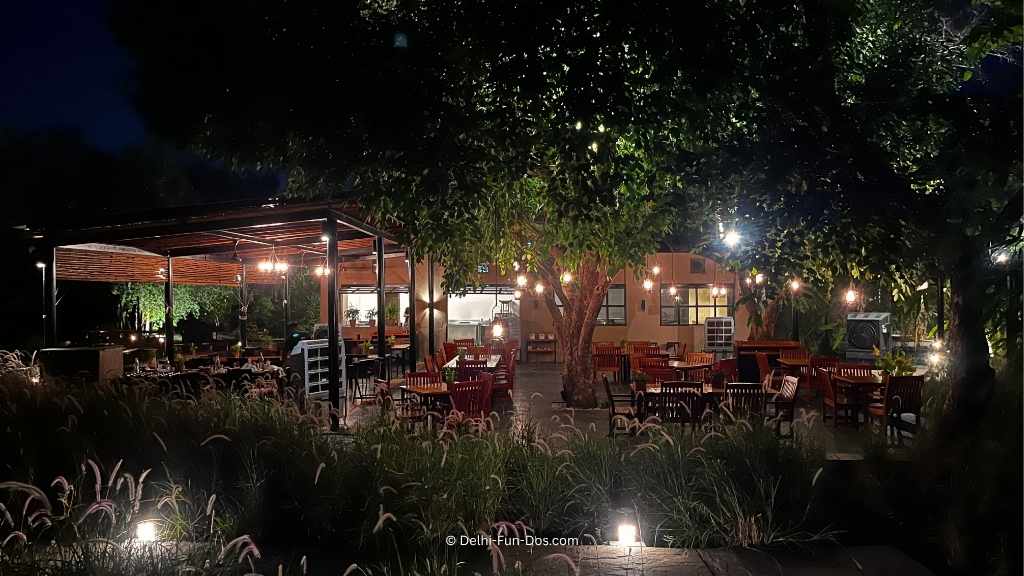
Often, the most valuable insights emerge not from formal presentations but from conversations over a cup of tea, and Jehan Numa Retreat provided the perfect backdrop for exactly that.
Looking Ahead to Wildlife Conclave 2027
What made Wildlife Conclave 2026 particularly memorable was the diversity of voices present in the room. Wildlife tourism operators, hoteliers, sustainability experts, entrepreneurs, chefs, media professionals, and storytellers all contributed to a larger conversation about the future of responsible travel in India.
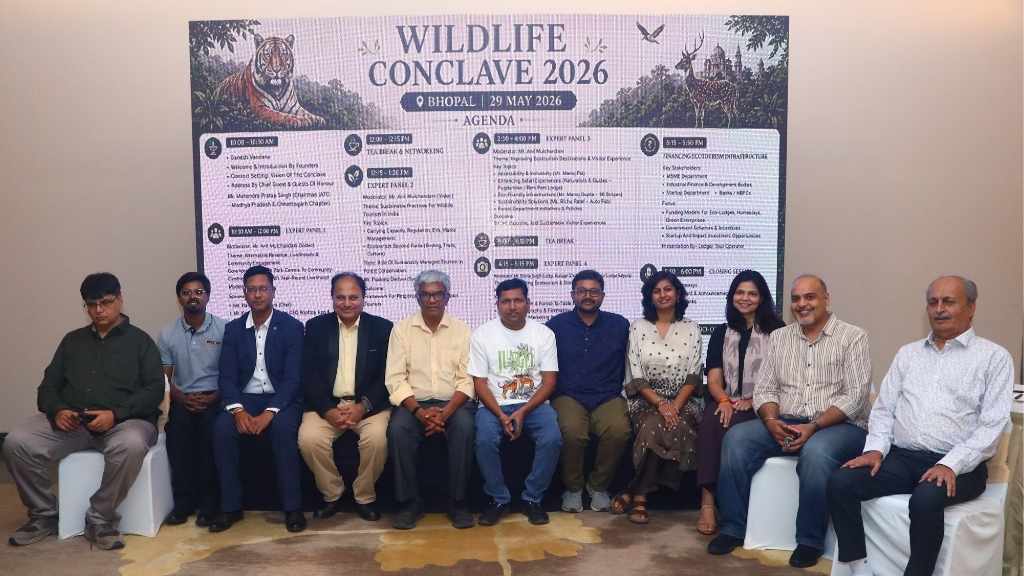
The event demonstrated that wildlife tourism is about much more than safaris. It is about conservation, local communities, accessibility, sustainable businesses, cultural experiences, and meaningful storytelling. With another edition already being planned for early 2027, the conclave appears set to become an important platform for dialogue within India’s wildlife tourism industry.
We left Bhopal inspired by the conversations, the people we met, and the ideas that were shared. We are already looking forward to the next edition of Wildlife Conclave and wish the organisers San Hotels and Events, every success as they continue building this much-needed platform for the future of wildlife tourism in India.
Is this event open to public?
No, this was an invite only event. This was for just one day – 29th May 2026.
There truly are so many amazing ways to see this incredible country! I would love to see more of India's wildlife and be able to immerse myself in it fully.
Many oppurtunities.
I really love this move toward sustainability and reducing the impact of tourism on the planet and wildlife! I think that's going to be a great change.
I love what they're doing to make the tourism scene over there better for the animals and the people who visit. More accessibility and responsibility are always great.
True
This sounds like it was a wonderful event. I am sure there will be so many fabulous things to do in India.
WOW, this sounds like a wonderful event that highlights the bigger picture of wildlife tourism. I love the focus on conservation, local communities, sustainability, and cultural experiences rather than just wildlife sightings. It's encouraging to see conversations that help create a more responsible future for travel.
Much needed
WOW, this sounds like a wonderful event that highlights the bigger picture of wildlife tourism. I love the focus on conservation, local communities, sustainability, and cultural experiences rather than just wildlife sightings.
Many Indian projects are adopting a holistic approach.