
This trip changed how we saw Nashik. It was not about vineyards or wine tasting anymore. The real story was in the villages, where culture lives every day. The Nashik Intangible Cultural Heritage (ICH) Festival brought us close to the tribal heart of Maharashtra. Organised by Maharashtra Tourism Development Corporation (MTDC) and spread across villages in the Surgana region, the festival celebrates living traditions—folk music, dances, crafts, and food that continue to shape life here.
Contents
The Soul of the Nashik ICH Festival

The beats of folk drums welcomed us as local artists performed traditional dances, turning the entire villages in the region into one grand stage. From Shribhuvan Chinchpada to Pimpalsond, every village had its own rhythm and charm.
Folk Dances at Shribhuvan Chinchpada, Surgana
Shribhuvan Chinchpada was a warm experience. From the moment we reached this village, we were made to feel very much at home. Not only did we receive the ceremonial welcome, where our foreheads were anointed, but also greeted with the cotton white caps that men of respect wear in this region.

Meanwhile, the open ground in the village soon filled with music and rhythm. Men of all ages danced together, their movements full of energy and confidence. The beats of drums and cymbals, along with the melodious flutes, echoed through the village, and ankle bells added a lively sound as they moved in circles.

The most striking part came when the dancers climbed onto each other’s shoulders to form human pyramids and other shapes. It was a show of balance, strength, and teamwork — done not for applause but as part of their own joy and tradition. We still cherish those caps and the moments that came with them. The warmth of the people stayed with us throughout the evening as we joined them in watching their songs and dances.
Bahoda Masks of Pimpalsond

The Bahoda festival is celebrated by various tribes, including the Kokna and Warli, across districts like Thane, Nashik, and Palghar. In Pimpalsond, we were drawn to the gorgeous, colourful Bahoda masks that seemed to light up the entire village. Made from papier-mâché and painted in bright shades, they look at first like props from a lively village play. But as we soon learned, these are sacred objects.

Some masks represent familiar deities such as Durga and Ravana, while others feature local figures like peacock faces and mythical beings. Each mask, or sometimes a selection, is mounted on a large iron frame and carried on the shoulders of the performers, who move in rhythm or perform intricate steps depending on their skill. Alongside the masks, we also saw full figures crafted in the same style—artworks that would easily attract attention in any urban gallery.

For many outsiders, these masks may seem like folk art or decorative pieces. But for the communities who create and wear them, they are an expression of faith. The Bahoda or Bahuda festival is not entertainment; it is a ritual offering to gods and ancestral spirits that continues to define the cultural identity of these tribal villages.
Lunch with the Villagers
We had a simple meal at Pimpalsond, not as adventurous as the one we had in Koraput, but just as memorable. Sitting on the floor of an artist’s veranda, we were served red rice, vegetables, and a special non-vegetarian dish made with wild fowl. The food came on banana leaves, its freshness blending beautifully with the earthy flavours. Everything was local. The rice was from surrounding fields, and the vegetables were grown around the village. There was no dessert, no hint of sweetness, and very little potato. The meal felt light and nourishing, and we could see why people here stay so fit and active even in their mature years.

Later at the ICH fair, we tasted thepla and chutney from a small stall. It was very tasty and reminded us of the nearby Gujarat border, whose food habits have clearly influenced this area. From home-cooked meals to snacks at the fair, the food reflected the simplicity and warmth of village life.
The three-day festival may have ended, but the spirit of these villages continues to live on throughout the year. So, the next time you are in Nashik, skip the vineyard trail and head towards the villages for an experience you will not find in any brochure.
Why Intangible Cultural Heritage Travel in India Matters
Intangible Cultural Heritage means living traditions—songs, dances, crafts, and rituals passed down through generations. These are not static displays in museums but living practices that continue to evolve.

When we travel to experience ICH, we connect directly with communities that preserve these traditions. We learn how art, faith, and daily life in our own land come together in natural rhythm. Such travel supports local artisans and helps keep these traditions alive in their own setting.
Other things to do in Surgana
Hatgad Fort, border of Surgana and Saputara
We visited Hatgad Fort, close to the Maharashtra and Gujarat border. Our car dropped us at the base of the hill, and then friendly bikers took us to the fort gate. The trail slowly climbed to around 3,600 feet above sea level, passing through rocky steps and quiet hill paths.

Near the top, we stopped to take in the wide view of the Sahyadri slopes and the valleys around Surgana. The old water tanks and the stone walls of the fort gave a glimpse of how this place once guarded the region. A small temple completed the picture. The air was clear, the silence deep, and we felt close to both nature and history as we stood at the summit.
Sakhalchond Waterfall

Just before reaching the village of Pimpalsond, we trekked into the woods to reach the Sakhalchond Waterfall. A strong stream of water dropped into a lively pool, surrounded by dense green forest and quiet rock faces. We sat by the edge of the water, enjoying the cool splash and the softened sound of the falls. It felt like a hidden corner of nature, away from the busy city, where time moved slower. We trekked up in the monsoon when the narrow roads were mucky and difficult to navigate. If you have any inhibition regarding such activities, give it a miss.
Hot water spring, Surgana
We visited a hot‐water spring in the Surgana that is not even listed on the internet. Possibly that was the reason why there were very few visitors, and we were pleasantly surprised by how neat and welcoming the place felt. The spring had a well-built embankment, steps down to the pool, and seating around so visitors could simply sit and enjoy the water. The setting was peaceful and green, with trees and hills around giving it a quietly sacred atmosphere.
The warm water poured gently from a natural outlet, and the entire spot felt clean and well-cared for, much unlike many informal pools one comes across in rural areas. We spent a little time there, letting the warmth soak in, and felt the calm spread through us. It was clearly more than just a roadside attraction; its upkeep and setting spoke of respect and a timeless connection between people, water, and place.
How to Reach Nashik
Nashik is well connected by road and rail. It is about 170 kilometres from Mumbai and 210 kilometres from Pune. Trains and buses run regularly from both cities. The nearest airport is Ozar, around 25 kilometres from Nashik city.

From Nashik, local taxis can be hired to reach the villages in the Surgana area where the festival takes place. The ride through the Western Ghats is scenic and takes around two to three hours.
Where to Stay
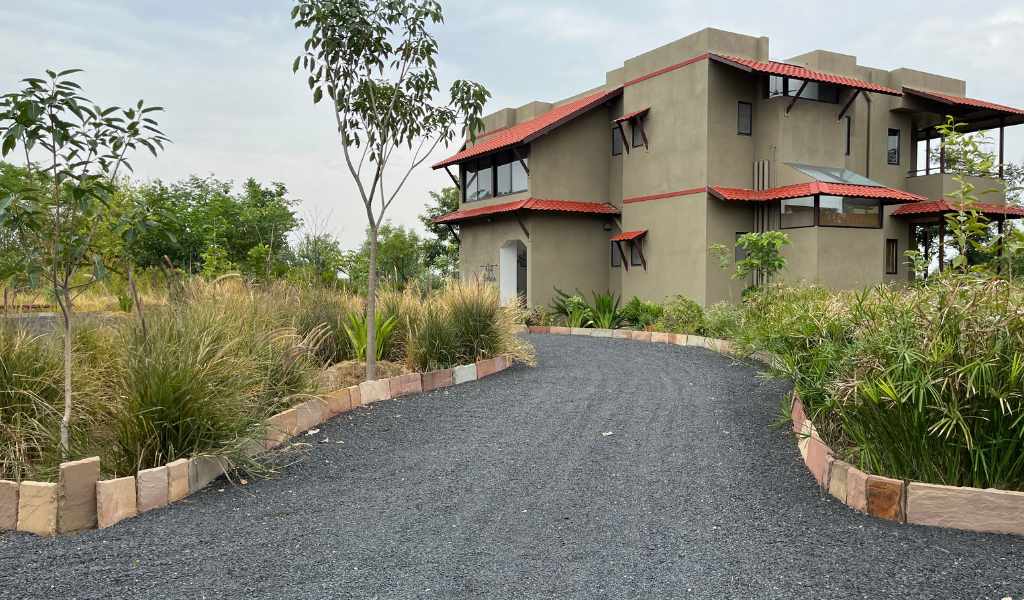
Nashik city offers many hotels, from budget to mid-range and comfortable family stays. For travellers who prefer a quieter stay, there are eco-lodges and homestays on the outskirts. During the festival, MTDC sometimes arranges temporary stays near the villages for visitors who wish to experience local life more closely. We stayed at a simple place in Saputara near Hatgad Fort. The mixture of low-rise Western Ghat mountains along with the verdant greenery of the late monsoon season gave us a remarkable view from here.
Best Time to Visit Nashik
The Nashik ICH Festival usually happens in September after the monsoon. This is when the region is lush and green, and the weather stays pleasant.
If travel during the festival dates is not possible, the months between October and February are ideal for exploring Nashik’s countryside, forts, and waterfalls. Summer months tend to be warm but still good for short cultural trips.

Shopping and Souvenirs
Village markets are great for local finds. We picked up puran poli, peanut chikki, and chivda as edible souvenirs. Handcrafted bamboo baskets and wooden toys made by local artisans also make for meaningful keepsakes.
ICH beyond the Festival
Even after the festival, life in these villages continues with the same rhythm. Artists keep practising their dances and songs, while craftspeople work on traditional masks and ornaments. Travelling here reminds us how culture and nature exist together. The forests, hills, and farms are as much a part of the local identity as the music and art. By visiting responsibly, we help sustain this connection and give back to the communities that keep heritage alive.
Final Thoughts
The Nashik ICH Festival is not just an event-it is a window into living culture. It brings people, stories, and traditions together in their natural setting.
For those who have only known Nashik for its wine trails, these villages offer a completely different experience. The journey gives us a chance to slow down, meet people, and see how heritage continues to breathe through daily life.

Note – The trip was courtesy banglanatak dot com, a social welfare organization engaged in inspiring work in the field of crafts and culture development in remote areas, in collaboration with Maharashtra Tourism Development Corporation MTDC.
such an interesting experience! The masks, the natural beauty, wow!
WOW, this sounds like such a wonderful festival, I’m sure you had an amazing time. I love that the Nashik ICH Festival isn’t just an event, but a celebration of living culture, stories, and traditions. That makes it truly magical!
WOW, this sounds like such a wonderful festival, I’m sure you had an amazing time. I love that the Nashik ICH Festival isn’t just an event, but a celebration of living culture, stories, and traditions. That makes it truly magical for sure!
Magical indeed
This is what I love the most about traveling. I don’t care so much about nightlife or vineyards. I want to see the heart and soul of the area.
Totally agree!
THIS is the real essence of travel. We have traveled all over the world, and finding the heart and soul of an area is what it’s all about for me.
agree!
Looks like a lot of fun. Love to watch different folk dances. And their clothes are so bright. A great festival for sure.
I love how the festival showed the real heart of Nashik beyond the usual wine tours. The dances and masks sound incredible, especially the human pyramids!
Thank you for this amazing travel guide! I hope my family and I have the chance to visit here one day. I am saving this Pin so I can try some of your tips.
Thank you
This is the first time I heard about Nashik ICH Festival. It looks like a fun one. Hope I can attend it in the future. So festive!
Let us know if you need any support
India has so much to offer! Your culture, colors, people, food, and clothing (One day I’ll buy a Sari). Definitely on my bucket list if I ever win the lottery.
Haha..saris are very affordable 🙂