
As children, summer vacation was almost synonymous to a visit to Puri. The beaches, the Jagannath Temple and most of all the flaky sweet Khaja were enough reasons for us to remain excited. Next to Puri is one of the most beautiful temple towns of India – Bhubaneswar, the capital of Odisha. On our way to Koraput from Kolkata, we had some layover at Bhubaneswar. We knew we could not tick off all the things to-do in Bhubaneswar but when did that deter us from exploring a new place?
When we reached Bhubaneswar from Kolkata, it was drizzling. The dark sky rendered an extra layer of mystery to the city. We checked into a hotel near the Bhubaneswar Railway Station, since the train to Koraput was from here. We freshened up and changed and pulling our umbrellas out, we hailed an app cab for our first destination.
Contents
Lingaraj Temple
Bhubaneswar has a plethora of ancient temples all within the city. In fact, Bhubaneswar is known as the Temple City of India. Probably the best attraction in Bhubaneswar, the Lingaraj Temple, dates back to the sixth century. Dedicated to Lord Shiva, it is one of the oldest and most famous temples of the world. In fact, Bhubaneswar or “Lord of the Universe” is a reference to this temple.
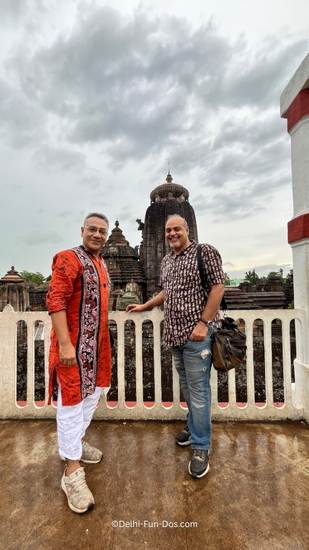
The Lingaraj Mandir is a temple complex with a cluster of shrines dedicated to various deities. Built over time, it oozes history. The main shrine is majestic and tall with intricate ornamentation on outer walls and door frames. The stone walls have many perfect carvings of gods, dancers, animals and even eroticism. The temple stands near a water reservoir, Bindu Sagar that adds beauty to the place. Locals as well as tourists come to the temple since early morning to pray. You can see priests running around performing rituals with flowers, water, and lamps. Outside the temple, small shops sell flowers and sweets for worship.
Many visitors like to walk around and look at the temple from different sides. Mobiles, camera and so on are not allowed and you would have to leave all that with the facilities. But there is a high podium outside the temple from where you can see the complete temple complex and take pictures. When we went, it was still drizzling and the grand architecture looked surreal. We were so blessed.
Rajarani Temple
The 11th century Rajarani Temple is a visual delight. Made of red and yellow stone, it has some of the most exquisite carvings and sculptures seen by humans. You can see figures of men and women in different poses. These carvings show art and life from ancient times. We love the mind-blowing Snake God and Goddess carvings who stand guarding the main entrance.
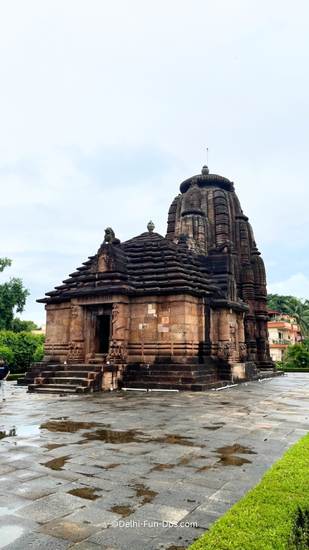
Since there is no deity here and no worship takes place, this temple is more of architectural than religious value. Hence it is never very crowded. Moreover, the surrounding areas have been developed as lawns and gardens. So it feels open and fresh and the red of the temple against the green of the lawns and trees makes is a visual delight. The temple looks even more beautiful in the soft light of evening. A visit to Rajarani Temple feels like a serene break and succour to the eyes and soul during your busy trip.
Balakati Jogini Mandir
Balakati Jogini Mandir is a unique shrine about 45 minutes’ drive from Bhubaneswar. With no elaborate architecture of any high spire, it is different from most temples we see. The architecture is just a circular wall with a small shrine at the centre and stands alfresco. The round wall features statues of the 64 Yoginis who are Tantric Goddesses and are linked to ancient traditions. Inside the temple, you can see their small statues embedded along the walls. The open sky above the temple adds to its unique feel. The place looks simple yet enchanting and reminds us of the Mitawali Yogini Temple.
The surroundings are quiet, the locals being the only devotees. When we went earlier there was no priest or any formal worship process. This time we saw things were different. The faith driven experience has been replaced by a formal worship process with few priests trying to coax visitors for offerings. That was a little jarring to the serenity here. Notwithstanding, the short visit here added variety to our travel experience. It was offbeat Bhubaneswar at its best.
Udayagiri Caves
Udayagiri Caves are a group of ancient rocks at the periphery of Bhubaneswar. Caves were carved out of these rocks here as rest houses for Jain monks. The caves are cut into a hill, so you have to walk up some steps to reach the zone. The place is in the open so it is difficult to visit during peak summer but when you go early morning or late afternoon, you get an excellent view from the top.
PIN IT FOR LATER READ
The caves are basic with simple rooms, more like cells, where monks once lived and prayed. But the chief beauty lies in the carvings on the outer walls of these humble mountain abodes. The carvings depict Gods, animals, people, and scenes from daily life. Some of the caves are double-storied with beautiful pillars. One of the caves has an elaborately carved doorway, Visitors can walk around and explore each cave slowly. Do note, this place is inaccessible for people with mobility issues.
Nandankanan Zoological Park
Nandankanan Zoological Park is a sprawling zoo and animal park near Bhubaneswar and is part of sightseeing in Bhubaneswar. The park has many animals, birds, and reptiles in enclosures. It is also known for the rare white tigers. Larger animals like lions and tigers are left in open areas emulating their natural habitat. Visitors have to take a safari in specially modified buses with netted windows to enter the big cat zones.
The zoo is clean and full of greenery. The open space and the animals make it a lucrative destination for young and old. There are paved paths for walking and benches, and resting areas for visitors. However, it gets very crowded during holiday seasons, and if you opt for the safari, be prepared for longish wait time. To confess, we were sceptical about Nandankanan, but this zoological park added energy and excitement to our trip.
Must-eat in Bhubaneswar
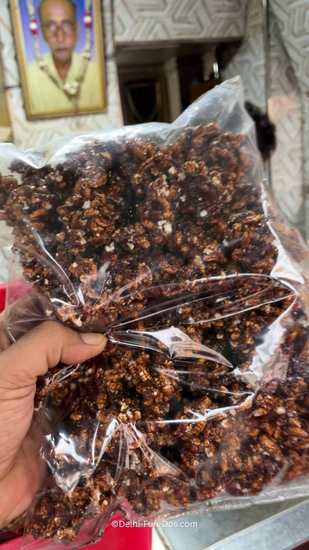
Odisha delicacies are available, off and on, in other parts of India as well. But that is nothing compared to the real deal you get in Odisha. Take the instance of the humble Kora Khai, a popular sweet from Odisha. It is made with puffed rice and jaggery and is flavoured with ginger. The sweet is crunchy and slightly sticky, and a hint of pepper adds unexpected heat to the palette. Kora Khai is a staple Prasad at the Lingaraj Temple. You can find it in local sweet shops near temples. It is dry with a decent shelf life. Hence, we carried a few packets that kept us going during the rest of our trip.
Shopping in Bhubaneswar
Ikat
Ikat is a distinctive weaving style that is practised in Odisha. It is a complex process where the patterns are dyed into the threads before weaving. The rest of the process is very mathematical and hence a good piece takes days. The attractive patterns include fish, rudraksh, flowers and leaves, vines, temples and even birds and animals like lion, elephant and deer.
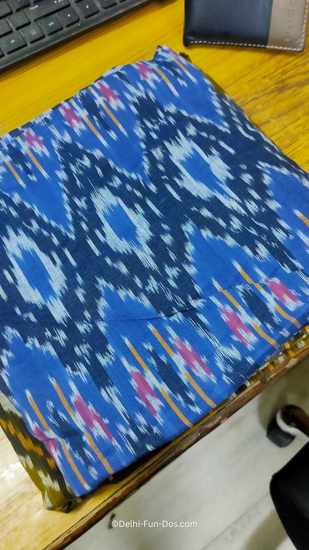
You can find Ikat sarees, dupattas, and shirts as well as bed-covers, table-cloths, and wall-hangings. The grand pieces make a beautiful statement that is contemporary yet rooted in tradition. Although Ikat weaving is not common in Bhubaneswar, given that it is the capital of Odisha, it is the commercial hub and a good place to procure a piece of Ikat at a reasonable price. Government emporia like Boyanika and Utkalika sell authentic pieces, so you do not need to worry about buying a fake.
Silver Filigree
Odisha is a treasure trove of incredible handicrafts, and silver filigree is among the finest. Silver wire is twisted and used to create dreamy designs like flowers, leaves and even figurines. You can find ornaments, jewellery, boxes, and small showpieces. These items make collectables that may be passed to the next generation as heirlooms. While silver filigree is mostly made in Cuttack, again they are widely available in Bhubaneswar.
Brassware at Balakati
Balakati near Bhubaneswar is known for its brass items. Local artisans make lamps, utensils, and idols. The items are sturdy and useful with hints of design that make the items distinct from brassware elsewhere. Balakati is in the zone of the Jogini Temple and you can watch craftsmen in action at their foundries. Visiting such hidden zones of Odisha, and even simple patronage supports the local artists and keeps the craft alive.
Nearby Attractions to Bhubaneswar
Pipli
Pipli is about half an hour’s drive from Bhubaneswar. It is famous for its colourful appliqué work. You can see bright cloth pieces stitched into designs like flowers and animals. Shops display bags, umbrellas, wall hangings, and lampshades. Walking through the market feels lively.
Raghurajpur
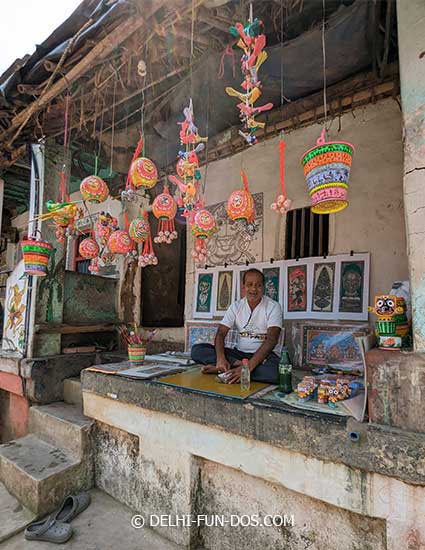
Raghurajpur, little more than an hour’s drive from Bhubaneswar, is a small village known for very fine paintings, the Pattachitra. Started as a votive art form for worship and temple use, it is now used to decorate a variety of objects. Almost every house has an artist and their paintings show stories from mythology. Visitors can see artists working and talk to them. The village feels like an open art gallery.
Puri
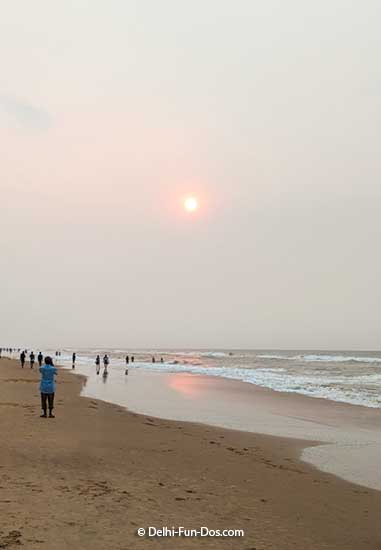
Last but not least is Puri, known for its long sandy beach and the famous Jagannath Temple. The beach is popular for bathing within permissible limits. You can also watch the most amazing sunrise or sit and enjoy the sea breeze. Small shops near the beach sell snacks, toys, and local items. The Jagannath Mandir is very lively and full of sights and sounds. It attracts many visitors who come for darshan and rituals. Puri feels lively and easy to explore. Most visitors to Bhubaneswar also add a short trip to Puri.
How to Reach Bhubaneswar
Bhubaneswar is well connected by air, train, and road. The airport has flights from major Indian cities like Delhi, Kolkata, and Mumbai. The railway station connects to many parts of India. Trains are a comfortable option for most travellers. Buses and taxis are also available from nearby cities like Puri and Cuttack. Roads are smooth and easy to travel. Local transport like auto rickshaws and app cabs help you move around the city.
Places to stay in Bhubaneswar
Bhubaneswar offers a wide variety of accommodation options catering to all budgetary and comfort requirements. If you are looking for luxury or hotels in Bhubaneswar, you will come across a plethora of options online. We searched for hotels near Bhubaneswar Railway Station and found some decent pocket-friendly options just beside the gates to the station. We stayed in one of these places that was clean and had a simple restaurant. If you are willing to move to the outskirts or stay between Bhubaneswar and Puri, you would find satisfactory homestays that offer greenery and great views.
Pro-tips for Visiting Bhubaneswar
- Visit temples early in the morning to avoid crowds
- Wear comfortable clothes and footwear
- Carry water during sightseeing
- Respect temple rules and follow dress guidelines
- Keep small cash for local shops and entry tickets
- Summers may be too hot for tourism here
- Keep a cap for the strong sun, even during cooler months and an umbrella for rainy days
Why visit Bhubaneswar?
Bhubaneswar, while not so high among the travel circuit of India, offers solid history, art, food, and nature. The city is easy to explore in a short time span. The unique character of the city in terms of arts and crafts integrated with religiosity represents the ethos of Odisha. A very relaxed approach makes Bhubaneswar a perfect destination for slow travel in India. The name Bhubaneswar means Lord of the World. The temples, the rituals, and the simple rhythm of the city came together to create a sense of understated regality. That is perhaps when our efforts to explore Bhubaneswar, in an otherwise hectic itinerary, were totally worthwhile.
This sounds like a great place for a summer vacation! There are so many options for everyone. I would love to visit one day.
It could be a bit hot in summer though